
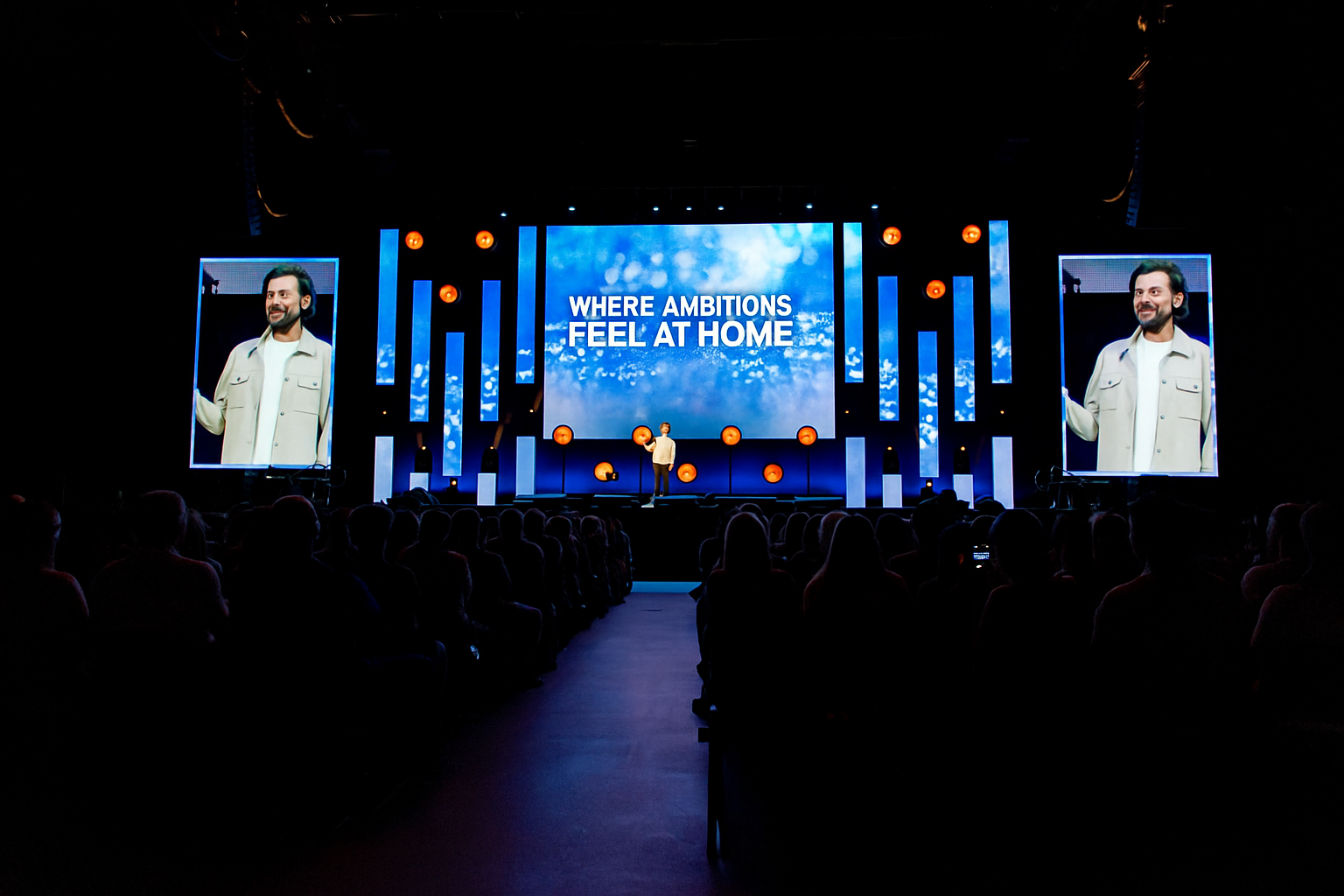
Launching a product is a moment of truth. In a city like London, attention is scarce and expectations are high. Success comes from clear outcomes, a disciplined plan and an experience that feels effortless for guests and press. This guide gives you a practical, London‑ready runbook you can adapt for anything from intimate media previews to large‑scale reveals at pace.
Town Hall in King’s Cross is designed for launches that need impact without friction. The venue combines neoclassical architecture with Tom Dixon’s contemporary design, broadcast‑ready infrastructure delivered with Pixl and hospitality by Rhubarb. The result is a stage where brands can focus on the story while a precision team runs the show behind the scenes.
1) Start with outcomes, not a date
Before you book anything, decide what success looks like and who owns it. Tie objectives directly to your go‑to‑market plan. Common outcomes include media coverage by tier, qualified leads or demo sign ups, retailer meetings booked, preorder volume or waitlist growth and a defined set of content assets to fuel marketing after the event. Write the targets down, name the owner for each one and agree the thresholds that trigger decisions in the run up to the show.
2) Build a timeline that works backwards
Work from the event date back to today. Avoid generic week‑by‑week lists and allocate each task to a named owner.
Sixteen to twelve weeks
Lock objectives and budget, shortlist venues and formats, place a provisional hold and confirm your creative direction. Start your media list and block key supplier dates.
Twelve to eight weeks
Confirm venue and AV scope, sketch the floor plan, draft the run of show and open conversations with talent or speakers. Begin press outreach with a save the date and prepare your press materials and product cut sheet.
Eight to four weeks
Book photography and filming, agree the shot list, finalise the registration flow and confirm product demo readiness. Lock hospitality numbers and any scenic or print elements that have longer lead times.
Four to two weeks
Schedule technical rehearsals, complete cue sheets, lock interview timings and put embargo plans in place. Test networks, encoders and record lines. Order signage and wayfinding.
Show week
Run a full cue‑to‑cue, confirm seating and media allocations, deliver final assets to show control and prepare your 24 to 48 hour post‑event asset pack so publishing is immediate.
3) Choose a London venue that removes friction
The right venue makes the day easier for guests and crew. In London, focus on three things: access and layout, technical readiness and location.
Access and layout
Check capacity by format, ceiling height, rigging points, blackout capability and the availability of green rooms, press spaces and secure storage. Confirm truck access, loading routes and freight lift size so builds and strike are predictable.
Technical readiness
Ask what is truly built in. Look for house lighting, audio and video, reliable power distribution, camera positions with clean record feeds and hard lines for network redundancy. Broadcast‑ready spaces reduce risk and rehearsal time.
Location and logistics
Proximity to major stations matters. King’s Cross St Pancras gives national rail, Underground and Eurostar, plus excellent taxi links and hotel clusters. Think about late licences, noise limits and where you will host post‑event debriefs.
Our Town Hall Product Launch Venue meets all your needs.
4) Treat broadcast and hybrid as a second event
If key stakeholders or customers join remotely, plan a stream with the same care as the room. Build a multi‑camera plan with a director’s script, create a separate audio mix for the stream and hard‑wire your internet with a bonded backup. Prepare branded slates and lower thirds and appoint a producer to run Q and A and chat moderation. Record clean ISO feeds so you can deliver edits within two days.
5) Write a run of show that people can follow
A clear run of show removes risk. Each line should include the time, owner, cue, technical action, asset and any risk notes. Build in holds for stage resets, interviews and social capture so there is time to breathe. A simple arc works well: welcome, story setup, the reveal, proof through demo, social proof with a partner or customer, press Q and A, then hands on and hospitality.
6) Capture content with intent
Decide what you will publish and when, then shoot to that plan. Outline hero stills and video, hands on demo footage, testimonial vox pops and B‑roll of crowd, scenic and signage. Capture vertical clips for social and a few longer sequences for editorial use. Agree filenames and delivery folders upfront so your post‑event asset pack ships quickly.
7) Make media and influencer operations effortless
Help journalists do their job. Send a pre‑brief with specs, pricing, availability and quotes. Provide embargoed assets ahead of the event so stories can go live on time. Create quiet interview zones with clear signage, fast dedicated Wi‑Fi and charging points. Appoint a named press liaison, run timed interview slots and give everyone a link to the post‑event asset pack before they leave.
8) Spend where it shows up on the day
Budgets vary by ambition, but money works hardest on show direction, sound and lighting. Guests forgive simple scenic choices and they do not forgive poor audio. Typical lines include venue hire and staffing, AV and broadcast kit and crew, scenic and branding, catering and bar, photography and video, talent, security and cleaning, with a ten to fifteen percent contingency.
9) Reduce risk with a simple register
List each risk, give it a likelihood and impact, name an owner and define the trigger for plan B. Common scenarios include demo failure, talent delays, a stream drop, protest or access issues and rail strikes. For each case decide who calls it, what the mitigation is and how you will communicate to guests and press.
10) Staff for clarity, not headcount
Small teams win when roles are clear. A typical core includes an event lead and show caller, a stage manager with floor runners, a technical director with audio, lighting, video and camera ops, a broadcast producer, a press lead, registration and VIP care, security and a venue liaison. Brief as a single team so decisions flow on the day.
11) On the day, make the first hour do the heavy lifting
Start with a short all‑hands brief and radio check, then run asset tests for walk on music, reveal sequence and VT playback. Reset the stage and confirm mic technique with speakers. Check last minute signage and wayfinding, confirm press packs and interview timings and agree holding statements for anything sensitive. Keep housekeeping clear and concise so the room feels relaxed from the first moment.
12) Measure and follow through within 48 hours
Report while attention is high. Share attendance by segment and no shows, qualified leads and demo requests, retailer meetings booked, media hits and sentiment, social reach and engagement. Deliver your asset pack to sales and marketing, then put follow up sequences live. A short internal wash‑up within the week locks in what to repeat and what to improve next time.
London specifics that save time and stress
Build extra time for traffic and freight lift queues. Check station works and planned rail strikes and adjust arrivals if needed. Reserve a taxi window and signpost pick ups. Provide walking routes from major stations and pre‑book nearby restaurants for press debriefs. Note local noise curfews and licence conditions so the finish is as smooth as the start.
Micro‑FAQs
What is a good length for the main presentation?
Aim for thirty five to fifty minutes including questions, then move to hands on.
How early should I lock a venue?
For peak season, hold twelve to sixteen weeks out. For complex builds, earlier is safer.
Do I need a hybrid stream?
If key stakeholders or press are remote, yes. Treat it as a second event with its own producer and audio mix.
How quickly should I publish assets?
Release short clips and stills the same day, then a full asset pack within forty eight hours.
Ready to plan your launch
If you want the perfect Product Launch Venue in central London that pairs architectural presence with broadcast‑ready technology, Town Hall’s team can help you map a format and flow that fits your goals. Our three flexible rooms in King’s Cross, integrated show control with Pixl and hospitality by Rhubarb make complex launches feel simple.